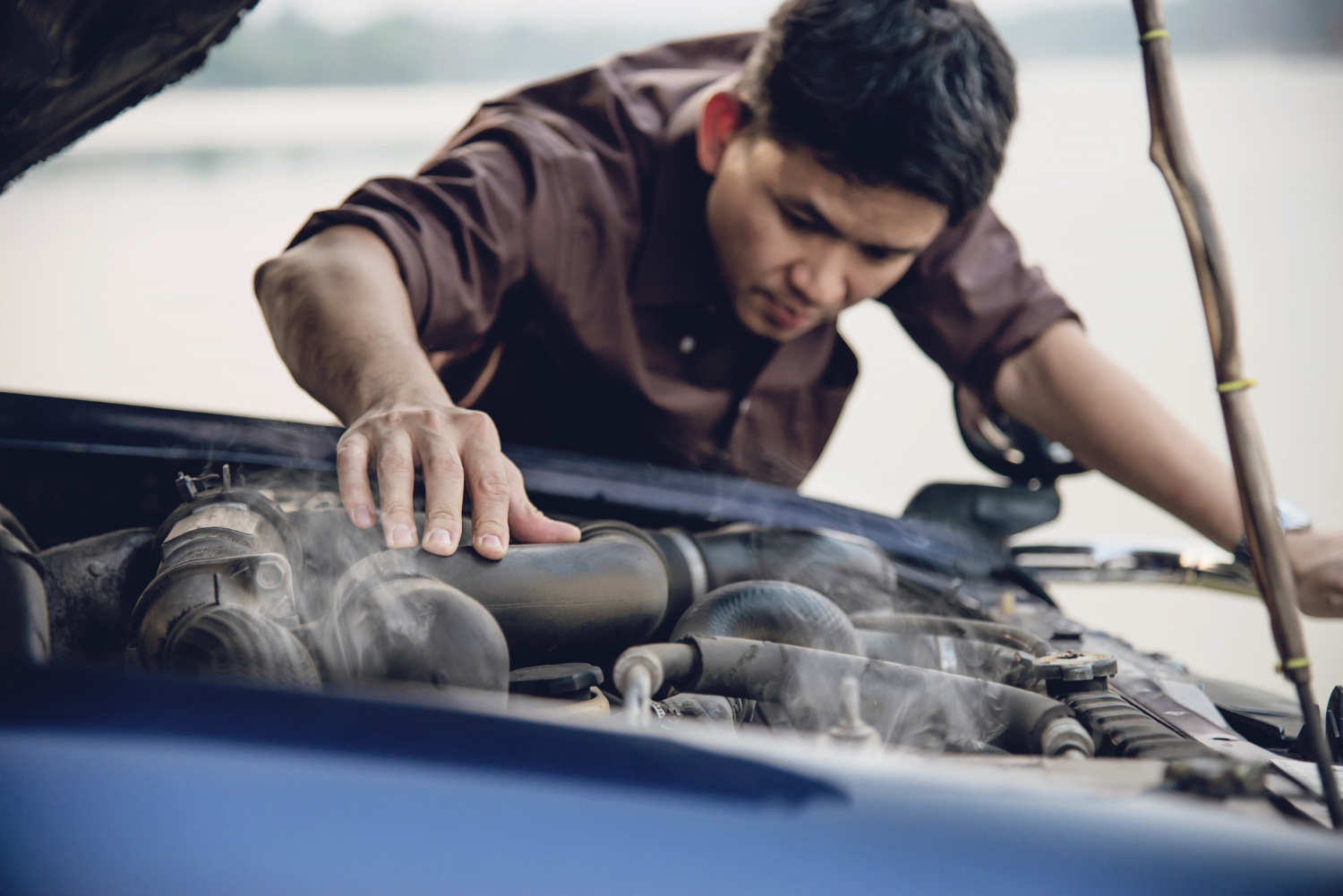
If your steering wheel suddenly feels stiff, jerky, or starts making strange noises, there's a good chance air has entered your power steering system. The good news? You don’t need a professional to fix it.
Bleeding your power steering system is a simple DIY job that takes about 30 minutes and basic tools.
Why Air Gets Into the Power Steering System
Your power steering works on hydraulic pressure. When air enters the system—usually due to a leak, loose hose, or after replacing a steering component—it disrupts the fluid flow.
Common symptoms include:
- High-pitched whining when turning the wheel
- Jerky or inconsistent steering
- Stiff steering at low speeds
- Groaning noises from under the hood
Ignoring this issue can damage the power steering pump, so it’s best to fix it early
What You Need Before You Start
Here’s a quick checklist:
- Manufacturer-recommended power steering fluid
- Jack and jack stands (optional but helpful)
- Container for excess fluid
- Rags for spills
- Gloves for clean hands
Step-by-Step Guide: How to Bleed Your Power Steering System
1. Prepare the Vehicle
Park your car on level ground and open the hood. Locate the power steering reservoir—usually a plastic container labeled “Power Steering.”
2. Check the Fluid Level
Remove the cap and check the fluid level. If it’s below the FULL or MAX mark, top it up before starting.
3. (Optional) Lift the Front Wheels
Using a jack and jack stands, lift the front wheels off the ground.
This reduces resistance and makes it easier to push air through the system.
Never rely only on a jack—always use stands for safety.
4. Turn the Steering Wheel (Engine Off)
With the engine off:
- Turn the steering wheel fully left.
- Turn it fully right.
- Repeat 10–15 times.
This circulates the fluid and helps air rise into the reservoir.
5. Start the Engine and Repeat
Now start the car and repeat the same turning process—slow and steady from lock to lock.
- Do not hold the wheel at the extreme ends; it strains the system.
- Watch the reservoir for bubbles rising—this means air is escaping.
6. Check and Top Up Fluid
Turn off the engine and check the fluid again.
If the level has dropped (it usually does), top it up.
Repeat the turning process until:
- No bubbles appear
- Fluid level remains stable
7. Test Drive the Car
Lower the vehicle (if lifted), close the reservoir cap, and take a short drive.
Pay attention to:
- Steering smoothness
- Noise levels
- Any remaining stiffness
Your steering should feel significantly smoother and quieter.
How to Know the Bleeding Worked
You should notice:
- No whining or groaning noises
- Smooth and consistent steering
- No jerky movement
- Fluid in the reservoir appears clear and bubble-free
If problems persist, there could be:
- A leak
- A failing power steering pump
- A worn steering rack
In that case, a mechanic should inspect the system.
How to Prevent Future Power Steering Issues
A little routine care goes a long way:
- Check power steering fluid monthly
- Fix leaks immediately
- Do not overfill the reservoir
- Always use manufacturer-recommended fluid
Final Thoughts
Bleeding your power steering system is one of the simplest DIY car maintenance tasks. It doesn’t require special tools, saves you workshop costs, and restores smooth steering performance quickly.
There’s a real sense of satisfaction when you fix a problem yourself—and your steering wheel feels smooth and quiet again.