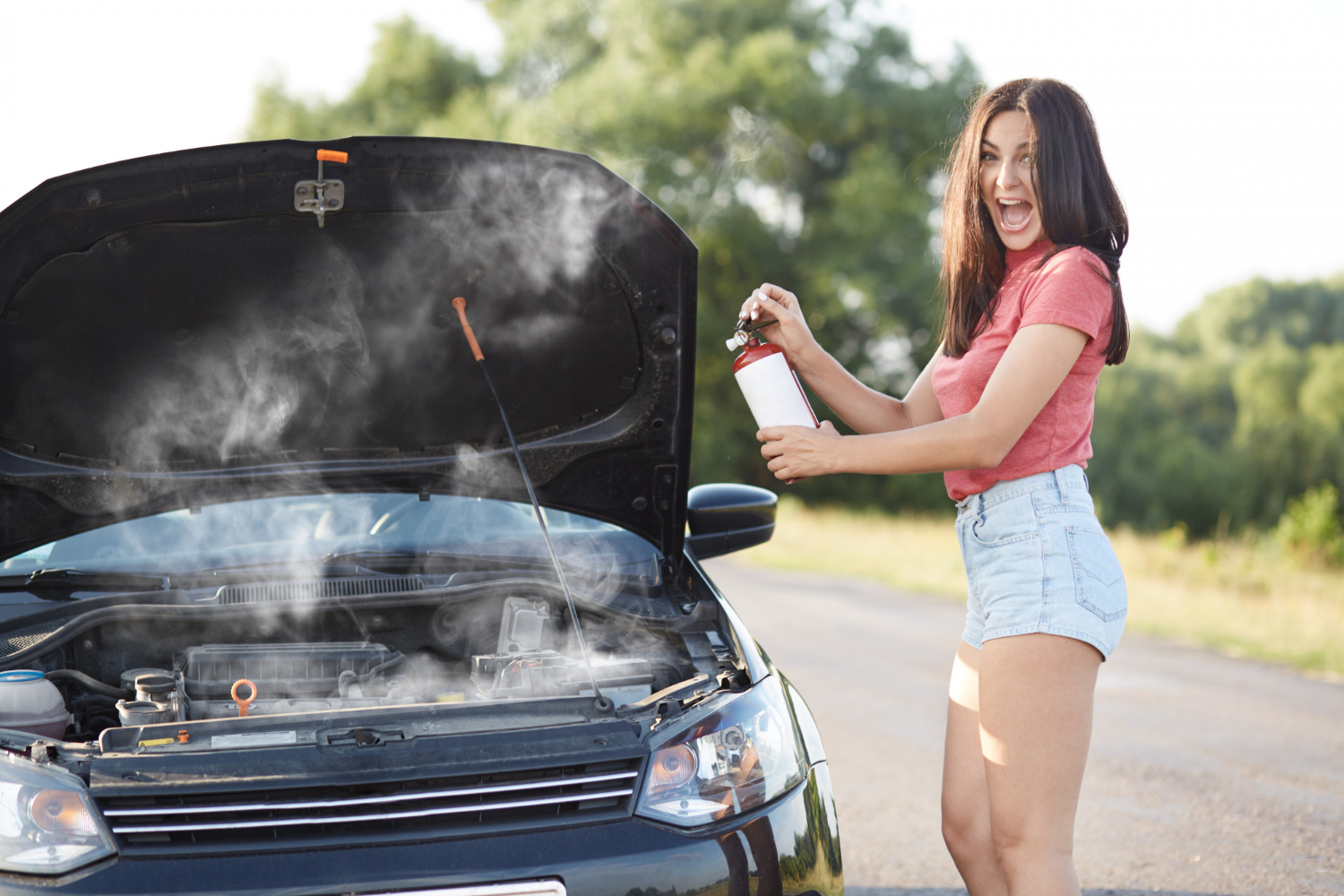
A burning smell after a long drive can be alarming — especially after highway trips, towing, or driving in Adelaide’s summer heat. While some smells are harmless and temporary, others signal overheating components or fluid leaks that require immediate attention.
Understanding what type of burning smell you’re experiencing is key to preventing serious mechanical damage.
Types of Burning Smells and What They Mean
1. Burning Oil Smell
A strong oily smell usually indicates engine oil leaking onto hot components such as the exhaust manifold.
Common causes include:
- Oil leaks from valve cover gaskets
- Loose oil filters
- Degraded seals
Oil leaks rarely fix themselves and often worsen with heat.
2. Burning Transmission Fluid Smell
Transmission fluid produces a sharp, acrid smell when overheated. This commonly occurs:
- After long highway drives
- During towing
- In stop-start traffic on hot days
Overheated fluid loses its lubricating properties, increasing internal friction and wear.
Early inspection through automatic transmission servicing can prevent internal gearbox damage.
3. Burning Brake Smell
Brakes can emit a strong, metallic or chemical smell after:
- Long downhill driving
- Heavy braking
- Towing heavy loads
This smell indicates excessive heat and may lead to brake fade, reducing stopping power.
4. Burning Clutch Smell (Manual Vehicles)
A burning clutch smell resembles burnt rubber and often appears after:
- Hill starts
- Heavy loads
- Stop-start traffic
Repeated clutch slip accelerates wear and can lead to sudden failure.
Why Long Drives Make Burning Smells More Noticeable
Long drives expose vehicles to:
- Sustained heat
- Continuous friction
- Higher engine and transmission loads
Adelaide’s warm climate further increases the likelihood of overheating fluids and components.
When Should You Be Concerned?
Arrange an inspection if the burning smell:
- Occurs repeatedly
- Appears after every long drive
- Is accompanied by warning lights
- Persists after the vehicle cools
Ignoring these signs often leads to major mechanical failures.
What to Do If You Smell Burning
If you notice a burning smell:
- Safely stop and allow the vehicle to cool
- Check for visible leaks under the car
- Avoid towing or heavy driving
- Book a professional diagnostic inspection
Why Early Diagnosis Matters
Burning smells often indicate heat-related stress. The longer heat-damaged components operate, the faster wear accelerates. Early diagnosis can:
- Prevent breakdowns
- Reduce repair costs
- Protect critical systems
Final Thoughts
A burning smell after long drives is your vehicle’s way of warning you. Whether it’s oil, brakes, transmission fluid, or clutch-related, addressing the issue early keeps your car reliable and safe on Adelaide roads.
Frequently Asked Questions
Is a burning smell after driving always serious?
Not always, but recurring burning smells usually indicate overheating or fluid leaks that need inspection.
Can towing cause burning smells in automatic cars?
Yes. Towing increases load and heat, especially on transmissions and brakes.
Is it safe to keep driving if the smell disappears?
Even if the smell fades, the underlying issue may still exist and should be checked.
What smells indicate transmission trouble?
A sharp, acrid or chemical smell often points to overheated transmission fluid.