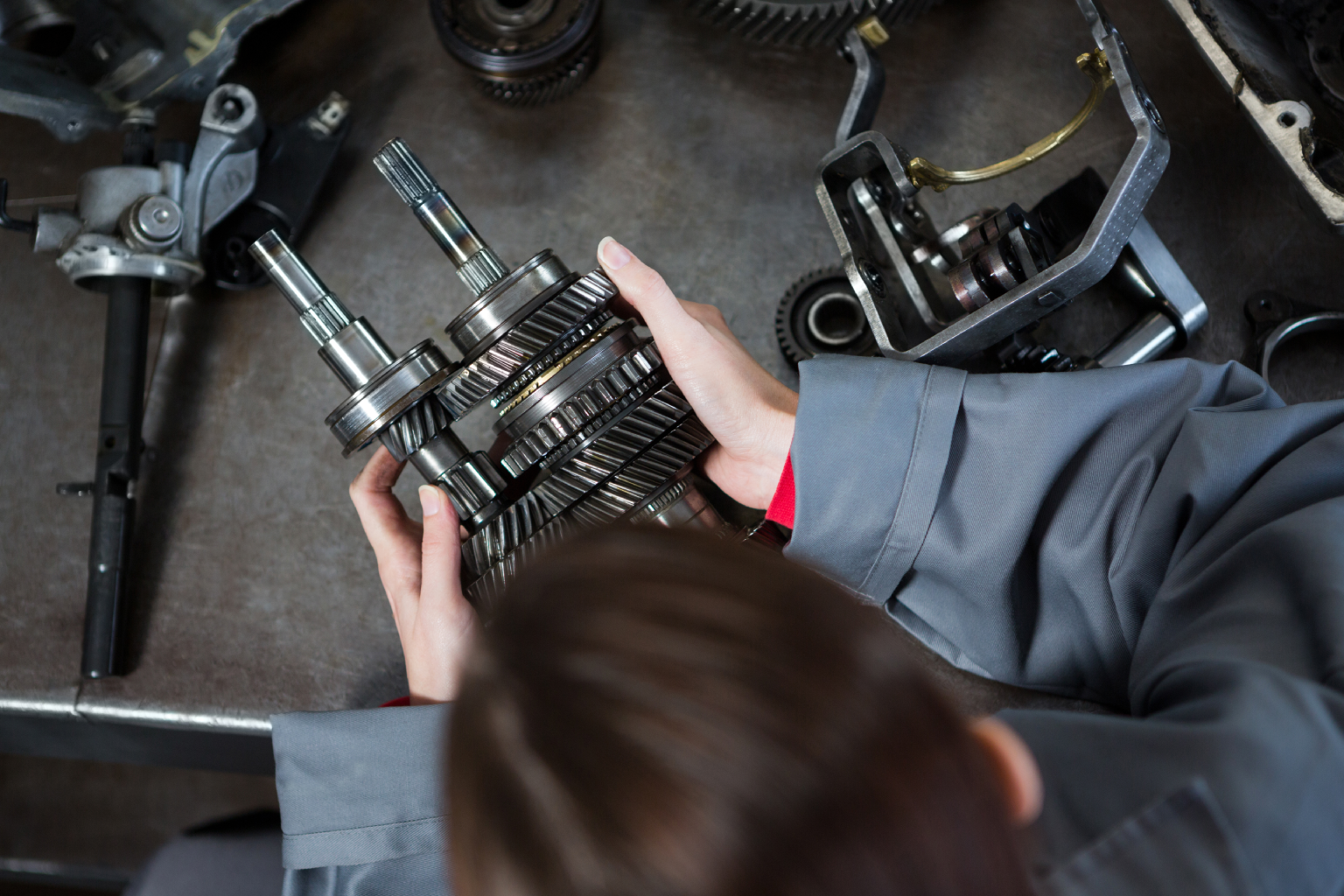
You may have been told that your automatic transmission is sealed for life and the fluid never needs to be changed. It sounds reassuring, but there is an important detail behind that statement.
"Lifetime" does not mean the transmission fluid remains unchanged forever or that servicing can never be required. Transmission fluid operates under heat, pressure and friction, and its condition changes over time. The correct maintenance schedule depends on the transmission, vehicle manufacturer, driving conditions and how the vehicle is used.
That is why the lifetime transmission fluid myth can lead to confusion. A transmission may not have a traditional dipstick or a clearly advertised fluid change interval, but that does not mean its fluid is immune to ageing or contamination.
What Does "Lifetime Transmission Fluid" Actually Mean?
The term "lifetime fluid" is not as straightforward as it sounds.
Some manufacturers describe certain transmissions as being filled for life, particularly under their specified operating conditions. In practice, the intended service life, operating conditions and maintenance requirements can differ between vehicles.
ZF, a major transmission manufacturer, states that its automatic transmissions are generally filled with lifetime oil but also recommends oil changes at regular intervals, particularly when vehicles operate under high temperatures and loads.
So the phrase does not necessarily mean the fluid will perform at the same level indefinitely.
It is better to think of "lifetime" as a description connected to a manufacturer's intended service assumptions rather than a guarantee that the fluid will never deteriorate.
Why Does Transmission Fluid Deteriorate?
Transmission fluid works in a demanding environment.
Inside an automatic transmission, the fluid helps with lubrication, cooling and hydraulic operation. It also interacts with clutches, valves and other components as the transmission changes gears.
Heat is one of the major factors affecting fluid condition. Repeated exposure to high temperatures can accelerate fluid ageing and reduce the effectiveness of its additives.
ZF explains that transmission oil is subject to natural ageing and wear and that high temperatures and heavy loads can accelerate this process.
Other factors can also affect fluid condition, including:
- Frequent towing
- Stop start traffic
- Heavy loads
- Hilly driving
- High ambient temperatures
- Long distance driving
- Performance driving
- Extended periods of high transmission temperature
This means two vehicles with the same transmission can have very different fluid conditions depending on how they are driven.
Does a Sealed Transmission Really Need a Fluid Change?
In many cases, yes, but the correct answer depends on the specific transmission.
A sealed transmission does not mean that the fluid inside it cannot age. "Sealed" generally refers to the transmission's design and the way the manufacturer expects fluid levels and servicing to be handled. It does not make the fluid permanently resistant to heat, contamination or wear.
A sealed transmission fluid change may therefore be appropriate where the vehicle or transmission manufacturer specifies one, or where operating conditions justify additional maintenance.
ZF's current technical guidance recommends regular oil changes for automatic transmissions and specifically highlights high temperature and high load operation as situations where maintenance becomes particularly relevant.
The key is not to apply one universal interval to every vehicle. The correct fluid, procedure and service interval should be established for the particular transmission.
What Happens to Old Transmission Fluid?
Transmission fluid does not suddenly stop working after a particular number of kilometres. Its condition generally changes progressively.
As fluid ages, its additives can become less effective. Heat and mechanical stress can also affect its lubricating and protective properties.
Contaminants and wear material can enter the fluid as components operate. If the fluid becomes degraded or contaminated, it may no longer provide the same level of protection and hydraulic performance.
ZF notes that oil ageing can affect components throughout the transmission and recommends regular oil changes to help maintain component protection and shift quality.
That does not mean every transmission showing old fluid needs an immediate rebuild. It means fluid condition is part of transmission health and should not automatically be ignored because the transmission is described as sealed.
What Are the Signs Your Transmission Fluid May Need Attention?
Fluid condition cannot always be judged by looking at the colour alone. However, changes in transmission behaviour can provide useful warning signs.
Pay attention to:
- Delayed engagement into Drive or Reverse
- Harsh gear changes
- Slipping between gears
- Shuddering
- Unusual transmission noises
- Changes in shift quality
- Transmission overheating
- Fluid leaks
- A transmission warning light
- A burning smell
These symptoms do not automatically prove that the fluid is the cause. They can also indicate problems with solenoids, valve bodies, sensors, torque converters, clutches or other transmission components.
That is why diagnosis matters before deciding what service the transmission needs.
Why Heat Matters More Than Many Drivers Realise
Transmission heat is one of the biggest reasons fluid condition can deteriorate faster than expected.
Normal driving already produces heat inside an automatic transmission. Add towing, heavy loads, long climbs, frequent acceleration or hot weather and the transmission can operate under considerably more stress.
This is particularly relevant for vehicles used for caravans, trailers, four wheel driving and other demanding applications.
ZF specifically notes that transmission oil ages faster at very high operating temperatures and recommends shorter change intervals depending on driving conditions such as trailer operation and high speed or sporty driving.
This is why a vehicle that spends most of its time cruising on open roads may have different servicing needs from one that regularly tows or works hard in traffic.
Why Servicing a Sealed Transmission Is Different
A modern sealed transmission may not have the same service procedure as an older automatic transmission.
Some transmissions use a conventional serviceable pan and filter. Others use integrated components, specific fluid level procedures or different methods for checking and replacing fluid.
The correct procedure can involve:
- Draining the old fluid
- Inspecting the transmission pan
- Checking for wear material
- Replacing a filter where applicable
- Replacing seals or gaskets where required
- Using the correct transmission fluid
- Setting the fluid level at the specified temperature
- Checking for leaks
- Road testing the vehicle
ZF service information for its transmissions demonstrates why fluid level procedures can be specific to the transmission and operating temperature.
So a proper service is not simply a matter of opening a plug and pouring in new fluid.
Should You Change Transmission Fluid If the Manufacturer Says It Is "Lifetime"?
Do not ignore the manufacturer's specifications, but do not assume "lifetime" means servicing is never relevant either.
Start with the exact vehicle and transmission requirements. Check the owner's manual or manufacturer service information for the specified maintenance schedule.
Then consider how the vehicle is actually used.
If the vehicle regularly:
- Tows a caravan or trailer
- Carries heavy loads
- Drives in hilly areas
- Operates in heavy stop start traffic
- Experiences high transmission temperatures
- Travels long distances under load
its operating conditions may be more demanding than the conditions assumed by a basic maintenance schedule.
ZF recommends considering shorter oil change intervals under high temperature and high load conditions.
The right approach is therefore vehicle specific rather than relying on a blanket rule that all sealed transmissions never require servicing.
What Is Included in a Proper Transmission Service?
A transmission service should be more than simply replacing fluid.
The exact procedure varies by transmission, but a comprehensive service can include inspection of the transmission, fluid replacement, filter and gasket replacement where applicable, driveline inspection, leak checks and a road test.
Rowell & Searle follows Australian Standard AS 3564.1 for its automatic transmission servicing. Its stated service process includes a road test, driveline inspection, filter and gasket replacement where applicable, band adjustment where applicable and replacement with the correct transmission fluid.
This distinction matters because a simple fluid replacement and a complete transmission service are not necessarily the same thing.
How Often Should an Automatic Transmission Be Serviced?
There is no single interval that applies to every automatic transmission.
The correct schedule depends on the vehicle manufacturer's requirements, transmission type, fluid specification and operating conditions.
Rowell & Searle currently recommends different intervals based on the type of fluid used, with shorter intervals for vehicles exposed to towing, hilly terrain and frequent stop start traffic.
Rather than copying an interval from another vehicle, check the requirements for your specific transmission.
If the vehicle is regularly used under demanding conditions, ask whether its service schedule should be adjusted accordingly.
What Happens If You Never Service the Transmission?
Ignoring transmission maintenance does not guarantee that the transmission will fail, but it removes an opportunity to monitor fluid condition and identify developing problems.
As fluid ages and components wear, problems can develop gradually.
You may eventually notice:
- Slipping
- Harsh shifting
- Shuddering
- Delayed engagement
- Overheating
- Fluid leaks
- Unusual noises
- Transmission warning lights
By the time these symptoms become obvious, the problem may involve more than degraded fluid.
A fluid change cannot reverse mechanical damage that has already occurred. The purpose of preventative servicing is to maintain the transmission and identify issues before they develop into larger repairs.
Sealed Transmission Service in Adelaide
If you need a sealed transmission service Adelaide drivers can rely on, the first step should be identifying exactly what transmission is fitted to the vehicle and what servicing procedure applies.
Different transmissions require different fluids, procedures and intervals. A workshop should therefore assess the vehicle rather than treating every sealed transmission in the same way.
The same applies when looking for an automatic gearbox service Adelaide drivers can trust. The important question is not simply whether fluid is being replaced, but whether the transmission is being inspected and serviced according to the requirements of that particular unit.
Gearbox Maintenance in Adelaide
Good gearbox maintenance Adelaide drivers can rely on starts with understanding how the vehicle is used.
A commuter vehicle that spends most of its time on relatively easy roads may have different maintenance requirements from a 4WD that regularly tows, a work vehicle carrying heavy loads or a car used extensively in city traffic.
Regular inspection and appropriate fluid servicing can help maintain transmission operation and provide an opportunity to identify leaks, worn components and other developing issues.
Automatic Transmission Service in Adelaide
If you have been told that your transmission is "sealed for life", that does not mean you should automatically ignore its maintenance.
The more useful question is whether your particular transmission has a manufacturer specified service procedure and whether your driving conditions place additional demands on it.
At Rowell & Searle Auto, automatic transmission servicing includes inspection, fluid replacement and related checks tailored to the transmission. The Adelaide workshop has specialised in transmissions since 1945 and is an RAA Approved Repairer.
The team can assess the transmission, explain what servicing it requires and identify problems before they develop into more expensive repairs.
If you are unsure whether your vehicle's "lifetime" transmission fluid actually needs servicing, contact Rowell & Searle Auto for an assessment based on your vehicle, transmission and driving conditions.