ADAS Warning Lights Explained: When Should You Get Your Car Checked?
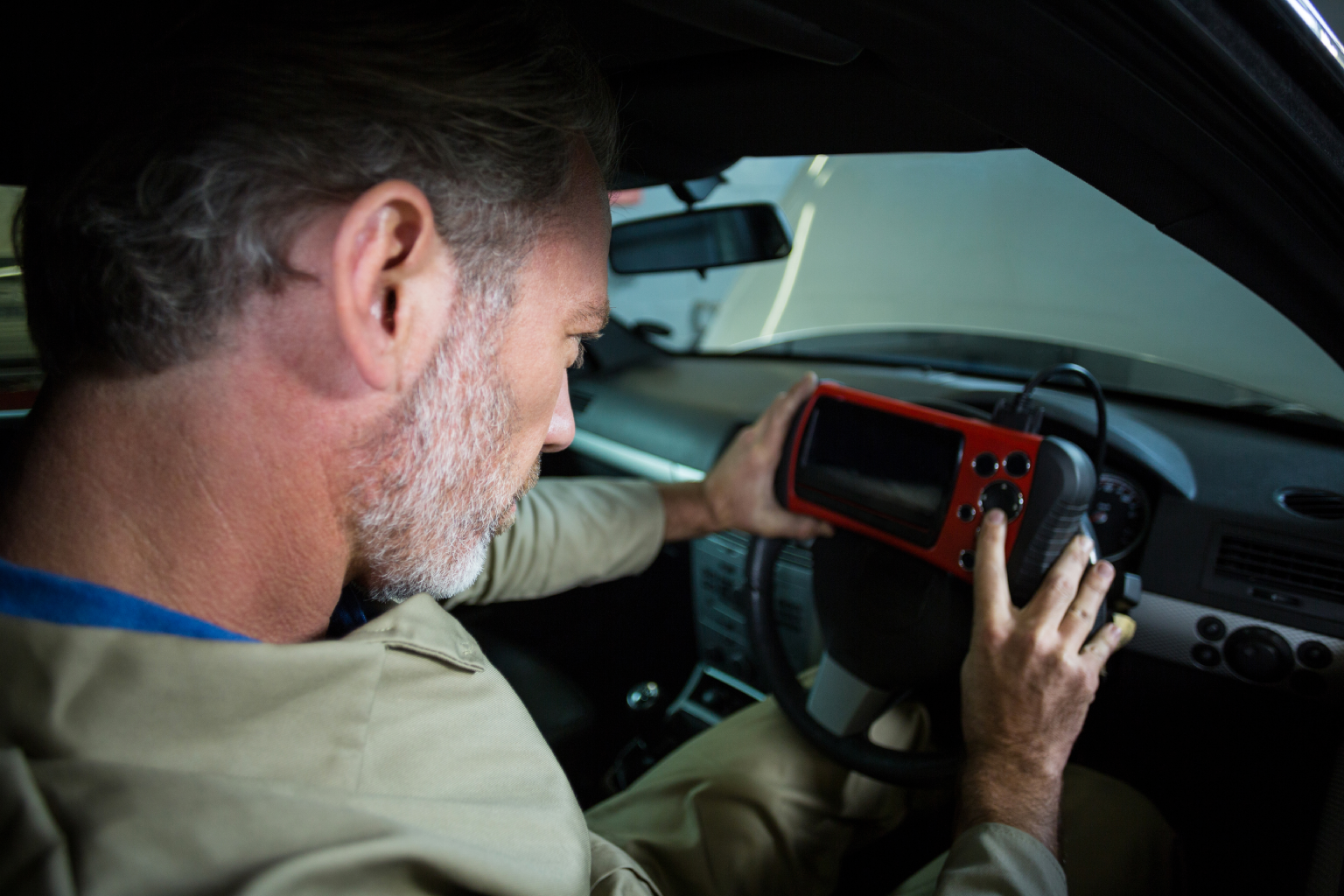
Modern vehicles use cameras, radar units and other sensors to monitor the road, detect potential hazards and support safer driving. Features such as lane keeping assistance, blind spot monitoring and automatic braking can help drivers respond to situations they might otherwise miss. However, these systems depend on accurate sensor information and properly functioning electronic controls.
When an ADAS warning appears on your dashboard, it may indicate anything from a temporarily obstructed camera to a sensor fault or system malfunction. Some warnings mean a safety feature is unavailable, while others indicate that the system needs attention before it can operate correctly.
This guide explains common warning messages, possible causes, when calibration may be required and what Australian drivers should do when a driver assistance system stops working as expected.
What Are ADAS Warning Lights?
ADAS stands for Advanced Driver Assistance Systems. These technologies help drivers monitor their surroundings, identify potential hazards and respond to certain driving situations.
Depending on the vehicle, the systems may use:
- Forward-facing cameras mounted near the windscreen.
- Radar sensors positioned behind the front grille or bumper.
- Ultrasonic sensors used for parking assistance.
- Cameras mounted around the vehicle for surround-view functions.
- Electronic control modules that process sensor information.
When the system detects a fault, an obstruction or an operating condition outside its normal parameters, it may display a warning message or illuminate an indicator on the dashboard.
The exact symbol, colour and message vary between manufacturers. Some vehicles display a general driver assistance warning, while others identify the affected feature, such as front radar, lane keeping assistance or collision prevention.
A warning does not automatically mean that a sensor has failed. The system may temporarily disable a feature because it cannot obtain reliable information from its camera or radar.
What Do Common ADAS Dashboard Warnings Mean?
Different driver assistance features have different functions. Therefore, the warning displayed usually provides a clue about which part of the system needs attention.
1. Forward Collision Warning
Forward collision warning monitors the road ahead and alerts the driver when the vehicle approaches another vehicle or obstacle too quickly.
Depending on the vehicle, the system may use a camera, radar or a combination of both.
If a warning appears, possible causes include:
- A blocked or dirty front camera.
- Dirt, mud or debris covering the radar area.
- Poor visibility caused by heavy rain, fog or other conditions.
- A sensor or wiring fault.
- A problem with the system's electronic controls.
If the warning remains after checking and cleaning accessible sensor areas, arrange an inspection. Do not assume the collision warning feature will continue operating normally.
2. Lane Departure or Lane Keeping Warning
A lane departure warning system monitors road markings and alerts the driver when the vehicle begins moving out of its lane without an indicated lane change.
Some vehicles also have lane keeping assistance, which can provide steering input to help guide the vehicle towards the centre of the lane.
A warning may appear when:
- The windscreen camera is obstructed.
- Road markings are faded or difficult to recognise.
- The camera is misaligned.
- The windscreen has been replaced without the required calibration.
- A camera, wiring or control system fault has developed.
Road conditions can also affect performance. For example, temporary lane markings, roadworks, poor lighting and heavy rain may make it difficult for the camera to identify lane boundaries.
The South Australian Government's ADAS safety guidance explains how lane assistance technologies use cameras and sometimes other sensors to monitor road markings.
3. Automatic Emergency Braking Warning
Automatic emergency braking uses information from forward-facing cameras and radar sensors, where fitted, to detect potential collisions.
If the system identifies an immediate risk, it may warn the driver and apply braking automatically when necessary, depending on the vehicle's design.
A system warning may indicate:
- A blocked front radar sensor.
- An obstructed or damaged windscreen camera.
- Sensor misalignment.
- An electrical or communication fault.
- A problem with the braking or control system.
If the warning indicates that automatic braking is unavailable, do not rely on the feature to intervene during an emergency. Maintain a safe following distance and use the brakes yourself.
AEB is designed to assist the driver, not replace attentive driving or normal braking.
4. Blind Spot Monitoring Warning
Blind spot monitoring uses sensors, commonly positioned around the rear corners of the vehicle, to detect other vehicles in adjacent lanes.
A warning may appear if the system cannot detect objects reliably or if a sensor develops a fault.
Possible causes include:
- Dirt or mud covering the sensor area.
- Damage to the rear bumper.
- Water or debris affecting the sensor.
- A faulty sensor or electrical connection.
- Incorrect sensor positioning after a repair.
If the system becomes unavailable, check the relevant sensor areas for visible obstructions. If the warning persists, arrange an inspection and use your mirrors and direct observations when changing lanes.
5. Parking Sensor and Surround-View Camera Warning
Parking assistance systems use ultrasonic sensors and cameras to help drivers judge distances when manoeuvring.
A warning may appear when a sensor is blocked, a camera is damaged or the system cannot process information correctly.
Common causes include dirt, ice, damaged bumper components, loose connections or a faulty camera.
If the vehicle has recently had bumper repairs, a camera replacement or other work near the sensors, ask whether the relevant system needs additional testing or calibration.
What Causes ADAS Sensor Problems?
Modern driver assistance systems rely on accurate measurements and correctly positioned components. Even a small obstruction or change in sensor alignment can affect how the system interprets its surroundings.
Several factors can contribute to ADAS sensor problems.
1. Dirt, Mud and Road Debris
Cameras and radar sensors need a clear operating area. Dirt, insects, mud, snow and road debris can obstruct their view or interfere with sensor operation.
For example, a front radar unit positioned behind the grille may become covered with dirt after driving through muddy conditions. Similarly, dust or condensation around a windscreen camera can affect visibility.
Check the accessible areas identified in your owner's manual and clean them carefully using the manufacturer's recommended method.
Avoid using sharp objects or excessive pressure around sensor covers and camera housings.
2. Windscreen Replacement
Many vehicles have a forward-facing ADAS camera mounted near the rear-view mirror.
Replacing the windscreen can affect the camera's mounting position or its relationship with the road ahead. Even when a replacement windscreen looks identical, the camera may require calibration before the relevant safety features can operate correctly.
After a windscreen replacement, confirm whether the manufacturer specifies a calibration procedure for your vehicle.
3. Minor Accidents and Bumper Damage
Radar sensors and parking assistance components are often positioned behind bumper covers, grilles or other exterior panels.
A minor collision may shift a sensor bracket or change its alignment without causing obvious exterior damage.
This is particularly important after repairs involving the front bumper, rear bumper, grille or sensor mounting points.
The Australian Automotive Aftermarket Association's ADAS Industry Code of Conduct identifies collision repairs and component replacement as situations where sensor calibration may be necessary.
4. Steering and Suspension Repairs
Some driver assistance features depend on accurate information about steering angle, wheel position and vehicle movement.
Certain steering, suspension or wheel alignment repairs can affect the relationship between the vehicle's geometry and its ADAS sensors.
Calibration requirements vary by manufacturer and model. A wheel alignment does not automatically mean every vehicle needs ADAS calibration, but the relevant procedures should be checked before the work is considered complete.
5. Electrical and Communication Faults
Cameras, radar units and other sensors communicate with electronic control modules. Damaged wiring, poor connections, low voltage or communication faults can interrupt this process.
In some cases, the sensor itself may be working correctly while the problem lies in its power supply, wiring or control module.
This is why replacing a sensor based only on a dashboard message can lead to unnecessary expense. Proper testing should identify the actual source of the fault.
When Should You Get ADAS Warning Lights Checked?
Not every warning requires the same response. Some messages indicate temporary operating limitations, while others suggest that a safety feature has developed a fault.
Arrange a professional inspection if:
- A warning remains illuminated after restarting the vehicle.
- The same warning appears repeatedly during normal driving.
- A safety feature becomes unavailable without an obvious temporary obstruction.
- The vehicle gives unexpected lane departure or collision alerts.
- Parking sensors or cameras stop responding correctly.
- The warning appears after a windscreen, bumper or suspension repair.
- Several driver assistance warnings appear together.
If the warning indicates that a safety feature is unavailable, assume that the feature may not assist you until the problem has been resolved.
Continue driving only if the vehicle remains safe to operate. If the warning is accompanied by braking, steering or other critical vehicle faults, stop safely and seek professional assistance.
Can You Drive With an ADAS Warning Light On?
It depends on the warning and the affected system.
If a lane assistance or blind spot monitoring feature becomes unavailable, the vehicle may still be driveable. However, you must compensate by maintaining proper control, checking mirrors and observing traffic yourself.
If a collision warning or automatic braking system reports a fault, do not rely on that feature to detect hazards or intervene.
A useful approach is to separate temporary operating limitations from persistent system faults.
What Is ADAS Calibration and Why Does It Matter?
ADAS calibration is the process of setting or verifying the position and operation of a vehicle's cameras and sensors according to manufacturer specifications.
The purpose is to ensure that the system interprets distances, angles and road information correctly.
For example, a forward-facing camera must recognise lane markings and objects in the correct position relative to the vehicle. If its mounting angle changes, the system may interpret the road incorrectly.
Depending on the vehicle, calibration may be required after:
- Windscreen replacement.
- Camera or radar replacement.
- Bumper repairs involving sensor mounting areas.
- Collision damage affecting sensor alignment.
- Certain steering or suspension repairs.
- Other work specified by the vehicle manufacturer.
There are two common calibration approaches.
Static Calibration
Static calibration takes place in a controlled workshop environment.
The technician positions the vehicle and uses manufacturer-specified targets, measuring equipment and diagnostic tools to complete the procedure.
The workshop must follow the correct setup requirements, including vehicle positioning, target distance and environmental conditions.
Dynamic Calibration
Dynamic calibration involves driving the vehicle under specified conditions while diagnostic equipment monitors the system.
The procedure may require particular road conditions, vehicle speeds and distances.
Some vehicles require static calibration, others require dynamic calibration, and certain systems require both.
The correct method depends on the manufacturer and vehicle model. A generic calibration procedure should never replace the manufacturer's instructions.
Can a Normal Diagnostic Scan Identify an ADAS Fault?
A diagnostic scan can retrieve fault codes stored by the vehicle's electronic control modules. These codes may help identify problems involving sensors, wiring, communication or system operation.
However, a basic scan does not necessarily confirm that every camera or radar sensor is correctly aligned.
For example, a scan may identify a communication fault involving a radar unit. Further electrical testing may be needed to determine whether the cause is the sensor, wiring or control module.
Similarly, a vehicle may require physical inspection or calibration even when no obvious fault code is stored.
A complete diagnostic process may involve:
- Identifying the affected driver assistance feature.
- Retrieving relevant fault codes from compatible control modules.
- Checking sensor areas for damage or obstruction.
- Inspecting electrical connections and wiring.
- Reviewing recent repairs or component replacements.
- Checking manufacturer calibration requirements.
- Carrying out further testing or referring the vehicle for specialist calibration where necessary.
The important distinction is between identifying a fault and confirming that the system has been restored to its specified operating condition.
How Can You Prevent Unnecessary ADAS Warnings?
You cannot prevent every sensor fault, but a few practical habits can reduce avoidable problems.
Keep Camera and Sensor Areas Clean
Check the windscreen area around the forward-facing camera and the accessible radar or parking sensor locations.
Remove dirt and debris carefully, following the vehicle manufacturer's instructions.
Address Windscreen Damage Properly
If your vehicle has a camera mounted near the rear-view mirror, tell the replacement provider before arranging windscreen work.
Ask whether the replacement requires camera calibration and how the procedure will be completed.
Mention ADAS Components During Repairs
If your vehicle needs bumper, grille, mirror, suspension or steering work, ask whether the repair could affect a camera or sensor.
This is particularly important when components are removed, repositioned or replaced.
Do Not Ignore Repeated Warnings
A warning that repeatedly disappears and returns may indicate an intermittent electrical, sensor or communication problem.
Keep a note of when it appears and which driving conditions trigger it. This information can help the technician reproduce the fault.
Understand Your Vehicle's Safety Features
Read the owner's manual to understand what each warning means and which features are fitted to your vehicle.
Different manufacturers use different dashboard symbols and messages. Knowing the meaning of your vehicle's specific warnings makes it easier to respond correctly.
Car Diagnostic Checks Adelaide: Where Should You Start?
If your vehicle displays a persistent driver assistance warning, the first step is to establish which system has reported the fault.
For drivers searching for car diagnostic checks Adelaide, choose a workshop that can retrieve and interpret relevant vehicle fault codes rather than simply resetting warning messages.
A diagnostic inspection can help identify whether the issue involves an electrical connection, sensor communication, control module or another vehicle system.
However, not every general mechanical workshop performs specialist ADAS calibration. If the vehicle requires camera or radar calibration, confirm that the workshop can complete the manufacturer-specific procedure or arrange the appropriate specialist service.
This distinction matters because clearing a warning code does not necessarily restore the safety feature's correct operation.
Book a Diagnostic Check With Rowell & Searle Auto
Persistent dashboard warnings should not be ignored, particularly when they involve safety-related vehicle systems.
Rowell & Searle Auto provides automotive diagnostic checks in Adelaide, using diagnostic equipment to retrieve stored fault codes, investigate vehicle problems and explain suitable repair options.
The family-run workshop has served Adelaide motorists since 1945 and is an RAA Approved Repairer. Its diagnostic services can help investigate electrical faults, sensor-related issues and other problems affecting vehicle operation.
If your vehicle has developed a persistent warning or an unexplained dashboard message, contact Rowell & Searle Auto to discuss an inspection. If specialist ADAS calibration is required, confirm the appropriate service before proceeding.