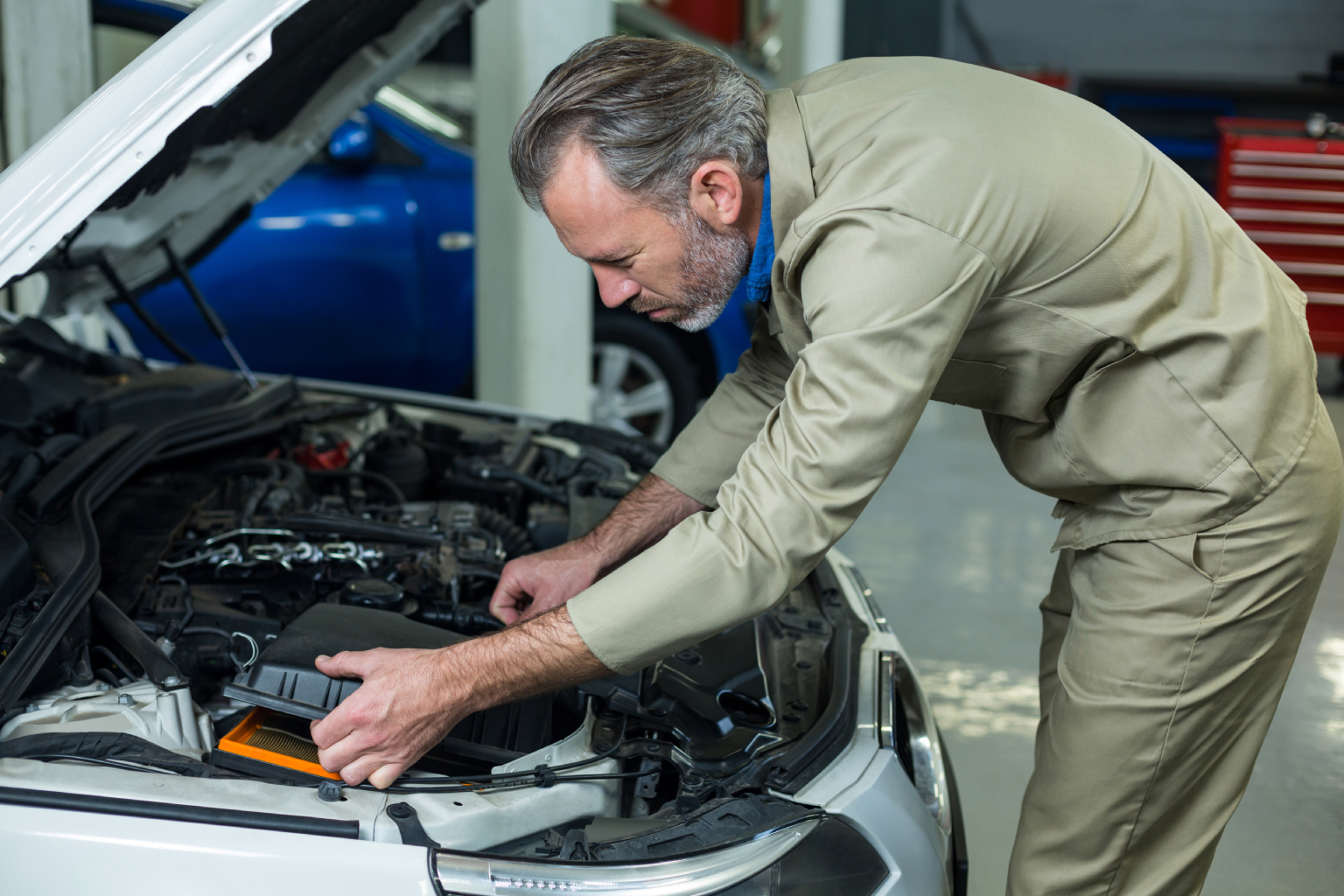
Your vehicle's transmission is one of its most valuable and hardworking components. Whether you drive daily, tow heavy loads, carry equipment, or enjoy off-road adventures, excessive heat is one of the biggest threats to transmission performance and longevity. Installing the best transmission cooler is one of the most effective ways to reduce heat, improve efficiency, and protect your transmission from premature wear.
Modern automatic transmissions generate significant heat during operation. If that heat isn't properly managed, transmission fluid breaks down, internal components wear faster, and costly repairs become more likely. A quality transmission cooler helps maintain optimal operating temperatures, allowing your vehicle to perform reliably under demanding conditions.
This guide explains how transmission coolers work, the different types available, and how to choose the right option for your specific vehicle and driving needs.
Why Transmission Temperature Matters
Your transmission relies on transmission fluid for lubrication, cooling, and hydraulic pressure. As temperatures rise, the fluid begins to lose its protective properties.
Excessive heat can lead to:
- Premature transmission wear
- Burnt transmission fluid
- Slipping gears
- Reduced towing performance
- Increased repair costs
- Shortened transmission lifespan
Maintaining the correct operating temperature helps preserve transmission components and keeps your vehicle performing efficiently for years.
What Is a Transmission Cooler?
A transmission oil cooler is a heat exchanger designed to cool transmission fluid before it returns to the transmission.
Instead of allowing fluid temperatures to continue rising, the cooler dissipates excess heat into the surrounding air, helping maintain a safe operating range.
Most vehicles already have a small factory-installed cooler built into the radiator. However, when vehicles tow, haul heavy loads, drive in hot climates, or operate under demanding conditions, an external transmission cooler provides additional cooling capacity that significantly improves performance.
Signs Your Vehicle May Need a Transmission Cooler
While not every vehicle requires an upgraded cooler, certain symptoms suggest your transmission may be running too hot.
Common warning signs include:
- Transmission overheating
- Burnt smell from transmission fluid
- Sluggish shifting
- Transmission slipping
- Frequent towing
- Off-road driving
- Heavy commercial use
- Stop-and-go city driving
- High-performance driving
If any of these situations apply to your vehicle, installing a larger cooler may help prevent future transmission problems.
Types of Transmission Coolers
Understanding the different cooler designs helps you choose the most suitable option.
Tube-and-Fin Cooler
This is the most common and affordable style.
Transmission fluid travels through a long tube surrounded by cooling fins that release heat into the air.
Advantages:
- Budget friendly
- Lightweight
- Easy to install
- Suitable for light-duty vehicles
Best for:
- Daily commuters
- Small SUVs
- Light towing
Plate-and-Fin Cooler
Plate-and-fin coolers use stacked plates that provide more surface area for heat transfer.
Benefits include:
- Better cooling efficiency
- Compact design
- Improved durability
- Handles heavier workloads
Ideal for:
- Medium towing
- SUVs
- Pickup trucks
Stacked Plate Cooler
Many professionals consider this design the best transmission cooler for demanding applications.
Instead of tubes, fluid flows through stacked plates that maximise cooling performance.
Advantages include:
- Superior cooling
- Excellent durability
- Compact size
- Reduced pressure loss
- Ideal for high heat loads
Perfect for:
- Heavy towing
- Commercial vehicles
- Performance vehicles
- Off-road applications
Choosing the Right Size Transmission Cooler
Bigger isn't always better, but choosing a cooler that matches your driving conditions is essential.
Consider these factors:
Vehicle Weight
Heavier vehicles generate more transmission heat and typically require larger coolers.
Towing Capacity
If you regularly tow trailers, boats, campers, or caravans, you'll benefit from increased cooling capacity.
Climate
Vehicles operating in hotter climates require more efficient cooling than those used in moderate temperatures.
Driving Style
Frequent stop-and-go traffic, mountain driving, and off-road use all place additional stress on the transmission.
Engine Power
Higher horsepower often means greater transmission loads, making additional cooling beneficial.
Understanding Your Transmission Cooling System
Your vehicle's transmission cooling system works together with the engine cooling system to regulate transmission temperatures.
Typically, transmission fluid follows this process:
- Fluid exits the transmission.
- It travels through the factory cooler inside the radiator.
- It passes through an external cooler if one is installed.
- The cooled fluid returns to the transmission.
This dual-cooling approach provides greater temperature control, especially during demanding driving conditions.
Benefits of an External Transmission Cooler
Adding an external transmission cooler offers several advantages beyond simply lowering temperatures.
Extends Transmission Life
Cooler operating temperatures reduce internal wear and help transmission fluid maintain its protective qualities.
Improves Towing Performance
Heavy towing creates substantial transmission heat. Additional cooling helps maintain consistent performance under load.
Better Gear Shifting
Stable fluid temperatures support smoother, more responsive gear changes.
Reduces Repair Costs
Preventing overheating helps avoid expensive transmission repairs or complete replacement.
Increased Reliability
Drivers can enjoy greater confidence during long trips, steep climbs, or hot weather driving.
Choosing the Best Transmission Cooler for Your Driving Needs
Different vehicles have different cooling requirements.
Daily Drivers
If your vehicle is mainly used for commuting, a compact tube-and-fin or plate-and-fin cooler usually provides adequate protection.
Towing Vehicles
Vehicles that tow regularly should use larger stacked plate coolers capable of handling sustained heat loads.
Off-Road Vehicles
Slow-speed off-road driving often limits airflow, making efficient coolers particularly important.
Performance Vehicles
Performance driving generates considerable transmission heat during acceleration and spirited driving. High-capacity coolers help maintain consistent performance.
Commercial Vehicles
Fleet vehicles and work trucks benefit from heavy-duty coolers that provide reliable operation throughout long workdays.
Transmission Cooler Installation Considerations
Proper transmission cooler installation is just as important as selecting the right cooler.
Installation generally involves:
- Mounting the cooler in front of the radiator or air conditioning condenser
- Connecting transmission lines securely
- Routing hoses safely away from moving parts
- Checking for leaks
- Verifying proper fluid levels
- Testing transmission operation
While some experienced DIY enthusiasts perform the installation themselves, professional installation ensures proper fitment, fluid routing, and long-term reliability.
Factors to Consider Before Buying
Before purchasing a cooler, compare several important features.
Cooling Efficiency
Look for designs that provide maximum heat dissipation without excessive flow restriction.
Build Quality
Aluminium coolers are popular because they resist corrosion while offering excellent heat transfer.
Compatibility
Choose a cooler designed for your vehicle's transmission type and intended application.
Pressure Rating
Heavy-duty applications require coolers built to withstand higher operating pressures.
Installation Kit
Complete kits with hoses, fittings, brackets, and mounting hardware simplify installation.
Warranty
A quality warranty often reflects the manufacturer's confidence in product durability.
Maintaining Your Transmission Cooler
Routine maintenance helps ensure your cooler continues performing efficiently.
Recommended maintenance includes:
- Inspect hoses for cracks
- Check fittings for leaks
- Clean debris from cooling fins
- Monitor transmission fluid levels
- Replace transmission fluid according to manufacturer recommendations
- Inspect for physical damage after off-road driving
Regular inspections help identify small problems before they become expensive repairs.
Common Mistakes to Avoid
Many vehicle owners unintentionally reduce cooling performance by making avoidable mistakes.
Avoid:
- Choosing a cooler that's too small
- Ignoring transmission fluid maintenance
- Poor hose routing
- Blocking airflow to the cooler
- Mixing incompatible fittings
- Skipping leak inspections after installation
Professional installation greatly reduces these risks.
Is a Bigger Transmission Cooler Always Better?
Not necessarily.
The goal is to maintain transmission fluid within the ideal operating temperature range rather than making it excessively cold.
An oversized cooler isn't usually harmful in most modern vehicles, but selecting a cooler designed for your vehicle's workload provides the best balance between performance and efficiency.
Professional Transmission Cooler Installation Makes a Difference
Even the highest-quality cooler cannot perform properly if installed incorrectly.
Professional technicians ensure:
- Proper cooler sizing
- Secure mounting
- Leak-free connections
- Correct fluid flow
- Safe hose routing
- System pressure testing
Professional transmission cooler installation also helps preserve warranty coverage and provides peace of mind.
Final Thoughts
Choosing the best transmission cooler is an investment in your vehicle's reliability, performance, and long-term durability. Whether you use your vehicle for daily commuting, towing, commercial work, or off-road adventures, controlling transmission temperatures can significantly extend the life of your transmission.
Understanding the different cooler designs, selecting the right size, and ensuring proper installation all contribute to a more efficient transmission cooling system. Pairing a quality transmission oil cooler with regular maintenance helps protect one of your vehicle's most important components while improving overall driving confidence.
If you're unsure which cooler is right for your vehicle, consulting an experienced transmission specialist can help you select the ideal solution based on your driving habits and vehicle specifications.
FAQs
1. What is the best transmission cooler for towing?
Stacked plate coolers are generally considered the best option for towing because they provide superior cooling efficiency, durability, and consistent performance under heavy loads.
2. Does every vehicle need an external transmission cooler?
Not necessarily. Vehicles used for daily commuting may not require one, but those that tow, haul heavy loads, drive in hot climates, or operate under demanding conditions can greatly benefit from an external transmission cooler.
3. How long does transmission cooler installation take?
A typical transmission cooler installation usually takes between two and four hours, depending on the vehicle, cooler type, and installation complexity.
4. Can a transmission cooler extend transmission life?
Yes. By reducing operating temperatures, a transmission cooler helps preserve transmission fluid, minimises internal wear, and can significantly extend the lifespan of your transmission.
5. How do I know if my transmission is overheating?
Common signs include delayed shifting, slipping gears, a burning smell from the transmission fluid, warning lights, or poor performance during towing or heavy driving.
6. What's the difference between a transmission oil cooler and a radiator cooler?
A radiator cooler is integrated into the engine radiator and provides basic cooling. A dedicated transmission oil cooler offers additional cooling capacity, making it ideal for heavy-duty driving, towing, and high-temperature conditions.